Microsoft Releases Earliest DOS Source Code to Public on 45th Anniversary
The Birth of a Giant
Before Microsoft became the software powerhouse synonymous with corporate computing, its journey began with a modest operating system created by a single developer. In 1980, Tim Paterson, working at Seattle Computer Products, developed what he called QDOS—short for Quick and Dirty Operating System. The driving need was the arrival of Intel's 8086 chip, which lacked support from the dominant operating system of the era, CP/M. Paterson designed QDOS to mimic the CP/M application programming interface (API), allowing existing software to run on the new hardware without modification.
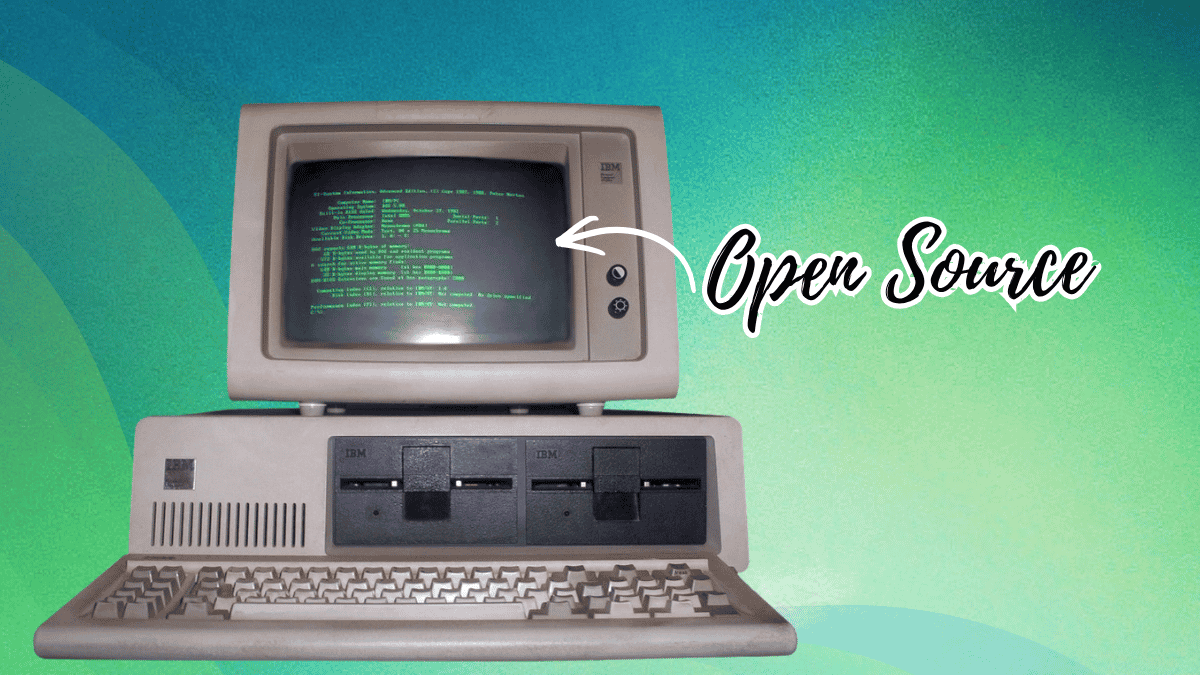
Microsoft saw the potential and acquired the rights to 86-DOS (as it was later renamed) for just under $100,000. This operating system shipped as PC DOS 1.0 with IBM's first personal computer in August 1981, while Microsoft retained the right to sell it to other manufacturers as MS-DOS. That single deal set the stage for Microsoft's dominance in personal computing for the next two decades.
A 45-Year Legacy Opened
On April 28, the 45th anniversary of 86-DOS 1.00, Microsoft announced in a blog post that the earliest known source code for DOS is now publicly available on GitHub under the permissive MIT license. This release is a treasure trove for retro computing enthusiasts and low‑level systems programmers.
The Effort Behind the Release
Interestingly, Paterson didn't hand over a tidy digital archive. Instead, he had kept physical assembler printouts and stacks of continuous‑feed paper from 1981 for decades. Historians Yufeng Gao and Rich Cini undertook the painstaking task of locating, scanning, and transcribing the DOS‑related portions into compilable code. Their work made this release possible.
What's Included
The repository contains:
- The 86-DOS 1.00 kernel
- Several development snapshots of the PC-DOS 1.00 kernel
- Utilities such as CHKDSK
- The assembler Paterson used to write the OS itself
Part of a Growing Trend
Microsoft open‑sourcing old code is no longer a surprise. The company has been steadily releasing historic software under open licenses:

- 6502 BASIC went open source in September 2025.
- MS-DOS 4.0 was released in 2024.
- MS-DOS 1.25 and 2.0 were made public in 2018.
This pattern reflects Microsoft's embrace of the open‑source community and a desire to preserve computing history.
Who Should Dive In
If you are into retro computing or low‑level systems work, this repository is genuinely worth exploring. The source code is compilable, but you will need a copy of Seattle Computer Products' ASM assembler, which can be found in any 86-DOS or early MS-DOS release. The GitHub repository's README provides clear steps to follow.
How to Get Started
To compile the source:
- Clone the repository from GitHub.
- Locate the ASM assembler from an 86-DOS disk image.
- Follow the detailed instructions in the README file.
For those interested in operating system internals, this is a rare opportunity to study the foundational code that launched Microsoft's ascent.
Conclusion
Microsoft's decision to open‑source the oldest‑known DOS source code on the 45th anniversary of its creation is a gift to historians, hobbyists, and programmers alike. It not only preserves a critical piece of computing history but also invites a new generation to learn from the pioneering work of Tim Paterson and the early Microsoft team.