10 Revolutionary Facts About Building Homes with Robot Inchworms and Giant LEGO Bricks
Imagine a future where your dream home is assembled by an inchworm-like robot using massive, LEGO-esque blocks. This isn't science fiction—it's a groundbreaking concept from MIT researcher Miana Smith. Her MILAbot and voxel blocks could revolutionize construction, offering lower embodied energy and automation benefits. But when will this become reality? Here are 10 things you need to know.
1. The MILAbot: A 5-Degree-of-Freedom Inchworm
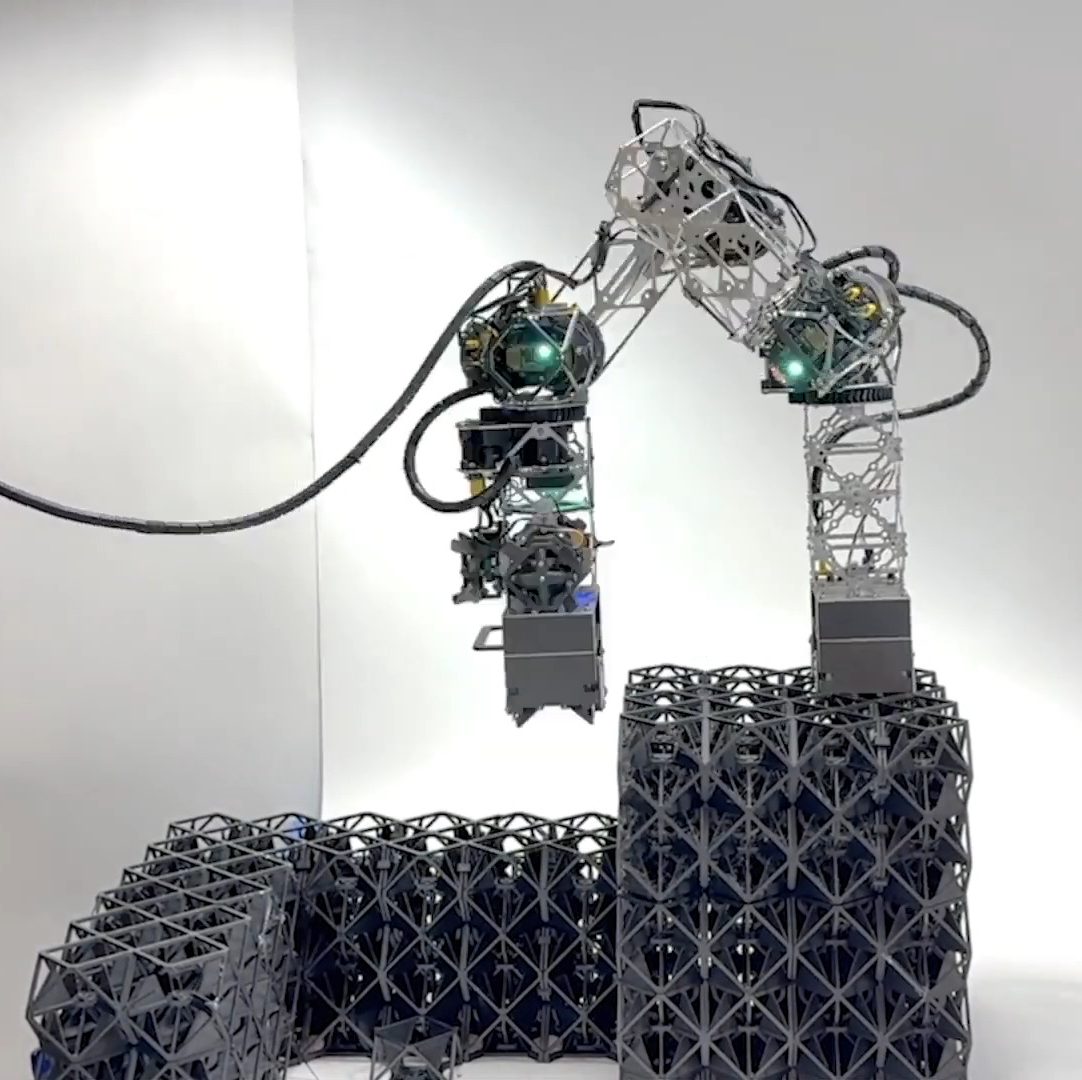
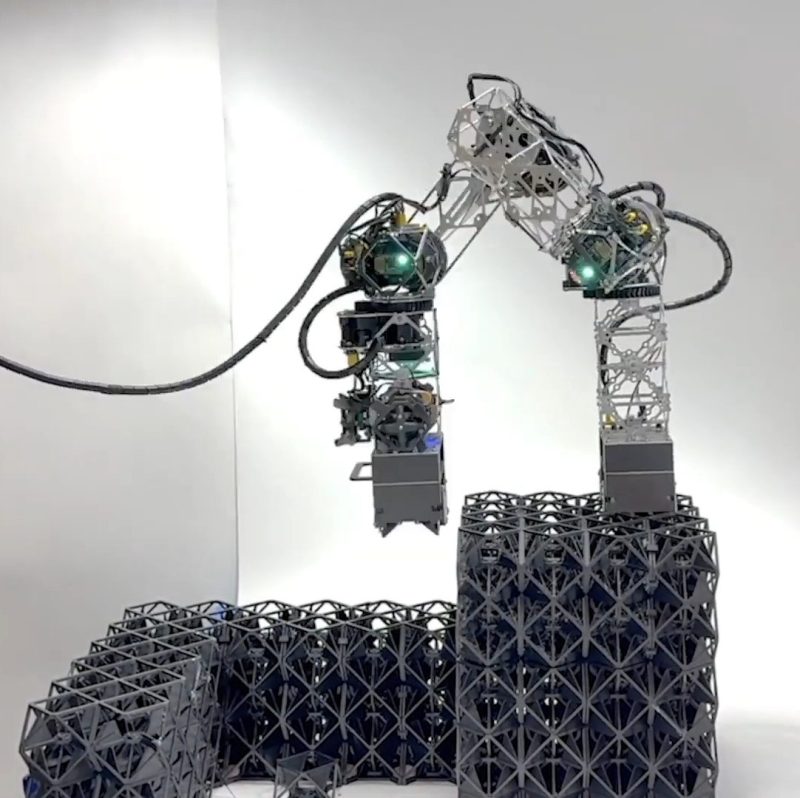
Smith's robot, called MILAbot, operates like an inchworm with no traditional base. It has actuators at both ends, allowing it to grip a voxel brick, anchor itself to the structure, then release and move forward. This unique locomotion lets it climb and build in any orientation. The robot is open-source, encouraging further development and customization by the maker community.
2. Voxels: Giant LEGO Bricks for Construction
The building blocks, known as voxels, are engineered space-frame structures. They interlock easily, similar to giant LEGO bricks, but are not solid concrete. Instead, they form a skeletal framework that can be filled later with spray foam for insulation. This approach is more of a framing technique than a finished wall system, prioritizing speed and modularity over traditional methods.
3. How the Robot Builds: An Anchoring Dance
The MILAbot's assembly process is mesmerizing. It grabs a voxel while anchored to the existing structure, then uses that new voxel as its next anchor point. This inchworm-style motion allows it to traverse and build simultaneously, eliminating the need for external scaffolding. The process is iterative and scalable, meaning the robot can construct complex shapes by stacking voxels in any direction.
4. Material Versatility: From Plywood to Metal
Voxels are not limited to one material. Smith's research explores plywood, PLA (a bioplastic), and metal options. This flexibility allows builders to choose based on cost, strength, or sustainability. For example, plywood voxels are lightweight and renewable, while metal ones offer durability. Each material has distinct implications for the structure's weight, thermal performance, and recyclability.
5. Lower Embodied Energy Than Concrete
One of the study's key findings is that voxel structures—regardless of material—have significantly lower embodied energy than concrete buildings. 3D-printed concrete performed the worst in this metric. However, traditional North American balloon-frame wood construction still has the lowest embodied energy overall, thanks to wood's natural carbon storage properties.
6. Labor Costs vs. Robot Efficiency
While balloon-framing is energy-efficient, it requires skilled crews, which drive up labor costs. Robots like MILAbot can work 24/7 without fatigue, potentially reducing construction expenses in the long run. Smith's study acknowledges that voxel framing is currently more expensive than stick-building, but as robotic automation advances, the scale could tip in favor of the inchworm.
7. Current Cost Reality: Balloon Framing Still Wins
For now, conventional wood framing remains cheaper per square foot. The voxel method requires not only the robot but also the production of specialized blocks. However, the open-source nature of the project could drive down costs as more makers and builders adopt the system. The future may see hybrid approaches where robots assist in traditional framing tasks.
8. Comparison to 3D-Printed Concrete Houses
3D-printed concrete homes have garnered hype, but many are already being torn down due to structural or thermal issues. In contrast, voxel-based construction offers easier modification and repair. The inchworm robot also provides more flexibility in design, as it can assemble complex geometries without the constraints of a printer's bed size. The embodied energy advantage further tilts the scales toward voxels.
9. Open-Source Potential and Future Scalability
Smith has released the MILAbot designs as open-source, inviting global collaboration. This could accelerate improvements in speed, precision, and material handling. Imagine a swarm of inchworm robots working simultaneously on a single building, assembling voxels into a finished home in days. The scalability is limited only by imagination and investment in manufacturing voxels at scale.
10. Beyond Voxels: Other Building Hacks
While the inchworm robot and voxels are exciting, they are not alone. Other construction hacks include using rammed earth or even converting decommissioned airliners into homes. The key takeaway: as long as someone is willing to live in it, almost anything can be a house. The robot brick approach is just one more tool in the future builder's kit.
In conclusion, Miana Smith's inchworm robot and voxel blocks represent a fascinating step toward automated, sustainable construction. While not ready for your next house hunting trip, the technology holds promise for reducing embodied energy, labor costs, and construction waste. Keep an eye on open-source robotics—it might just build your next home.