The Climate-Allergy Connection: How Warming Temperatures Intensify Your Seasonal Misery
If you feel like your seasonal allergies are getting worse every year, you're not imagining it. Climate change is lengthening pollen seasons and making them more intense across the Northern Hemisphere. This Q&A explains the science behind the worsening symptoms and offers practical advice for managing them.
1. How does climate change affect allergy seasons?
Climate change, driven by rising global temperatures, directly extends the duration and intensity of pollen seasons. Warmer springs arrive earlier, prompting plants to release pollen sooner. At the same time, autumn frosts come later, allowing ragweed and other late-season plants to pollinate longer. Research shows that across North America, pollen seasons have lengthened by up to 20 days in the last few decades. Additionally, higher atmospheric carbon dioxide levels act as a fertilizer, boosting pollen production from many plants. This combination means not only more days with airborne pollen but also higher concentrations per day, leading to more severe allergic reactions for sensitive individuals.
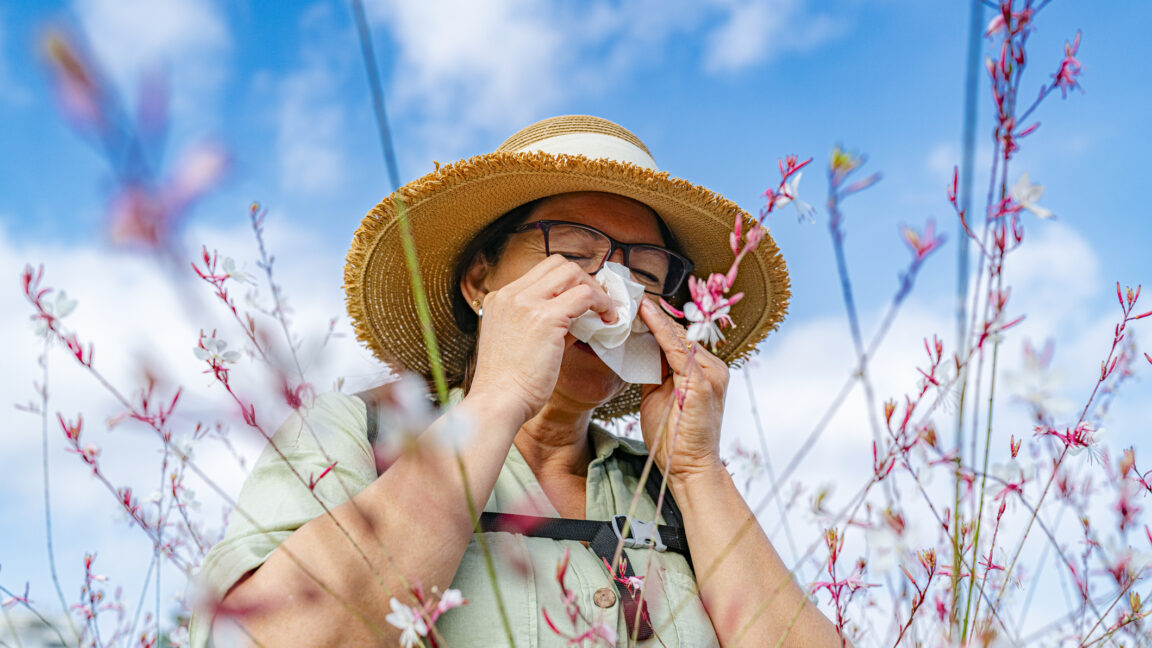
2. Why are allergy symptoms getting worse year after year?
Beyond longer seasons, the amount of pollen each plant produces is increasing. A study from the USDA found that ragweed plants grown in elevated CO2 conditions produce up to 60% more pollen. With average global CO2 levels rising steadily, each successive year sees more pollen grains released. Warmer temperatures also allow some plants to expand their ranges northward, exposing new populations to allergens they never encountered before. Furthermore, the shift in seasons can cause different pollens to overlap more, meaning people may be exposed to tree, grass, and weed pollens simultaneously. These combined factors—more pollen, longer seasons, and overlapping types—create a perfect storm for worsening allergy symptoms.
3. Who is most affected by seasonal allergies in the United States?
According to the CDC, about one-quarter of US adults—over 60 million people—and one in five children suffer from seasonal allergic rhinitis. These allergies typically begin in childhood but can develop at any age. Symptoms range from mild sneezing and itchy eyes to severe asthma exacerbations. Certain regions are hit harder due to local plant species and climate conditions. For example, the Southeast tends to have longer, more intense pollen seasons due to milder winters. Vulnerable populations include asthmatics, the elderly, and those with compromised immune systems. As climate change accelerates, even people who never had allergies may develop them due to increased exposure and new pollen types entering their area.
4. Can climate change make asthma worse?
Yes, indirectly. Seasonal allergies are a major trigger for asthma attacks, especially in children. When pollen counts are high, asthma patients often experience increased wheezing, shortness of breath, and emergency room visits. A warmer, more humid atmosphere also promotes mold growth, another common asthma trigger. Ground-level ozone, which forms more readily on hot days, can irritate airways and exacerbate asthma. As pollen seasons lengthen and intensify, the window of risk expands. A study in the journal Environmental Health Perspectives projects that by 2050, asthma-related emergency visits due to pollen could increase by double-digit percentages in many US cities unless emissions are curbed.
5. What steps can people take to reduce allergy symptoms?
- Monitor local pollen counts and limit outdoor activities during peak times (usually early morning and evening).
- Keep windows closed at home and in the car, and use air conditioning with a HEPA filter.
- Shower and change clothes after being outside to remove pollen from skin and hair.
- Use over-the-counter antihistamines or nasal corticosteroids as recommended by a doctor.
- Consult an allergist for immunotherapy (allergy shots or tablets) which can desensitize your immune system.
Additionally, consider wearing a NIOSH-approved N95 mask during high-pollen days, especially if you have asthma. These steps can significantly reduce your symptom load even as outdoor pollen increases.
6. Is there a connection between climate change and the types of pollen?
Absolutely. Different plants respond differently to warming. Trees like oak, birch, and cedar are starting to pollinate earlier. Ragweed, a primary fall allergen, thrives in higher CO2 and produces more potent pollen. Grass pollens are also becoming more abundant in areas that were previously too cold. Climate shifts allow invasive allergenic plants, such as ragweed in Europe, to colonize new regions. Moreover, the nutrient content of pollen may change, potentially altering its allergenicity. Some studies suggest that pollen from plants grown in higher CO2 environments can release more allergenic proteins, making even a single grain more likely to provoke a reaction.
7. What do experts like Dr. Neelima Tummala observe?
Dr. Neelima Tummala, an ear, nose, and throat specialist at NYU Langone Health, says her patients routinely report that “their allergies are the worst they’ve ever been”—and data supports them. She notes that each year, patients seek relief earlier in the season and need stronger medications to manage symptoms. The clinical evidence aligns with environmental data: longer, more severe pollen seasons are now the norm, not an anomaly. Dr. Tummala recommends that patients prepare earlier—starting medications weeks before their typical allergy season begins—and that primary care doctors stay updated on local pollen trends to better advise vulnerable patients.
8. How can we prepare for longer allergy seasons?
Preparation starts with awareness. Check your local allergy forecast apps and note when your personal triggers peak. Begin allergy medication (like antihistamines or nasal sprays) two weeks before your typical season starts, as advised by these steps. Invest in HEPA air purifiers for your bedroom. Consult an allergist for a tailored plan, which might include immunotherapy. On a broader level, supporting policies that reduce greenhouse gas emissions can help slow the climate changes that worsen allergies. While individual actions can mitigate symptoms, systemic change is needed to address the root cause. Educating yourself and your community about the links between climate and health is a powerful first step.