Home Data Centers: Can Your House Power the Next AI Revolution?
Imagine a small, HVAC-sized box beside your home quietly humming with 16 Nvidia GPUs, earning you money while powering AI services. That's the vision from Span, a California smart utility company backed by Nvidia. Instead of building massive centralized data centers, they propose placing mini data centers at homes, tapping into unused electrical capacity. But is this distributed computing dream feasible, and who truly bears the cost? Below, we explore this emerging concept.
What exactly is Span's home data center concept?
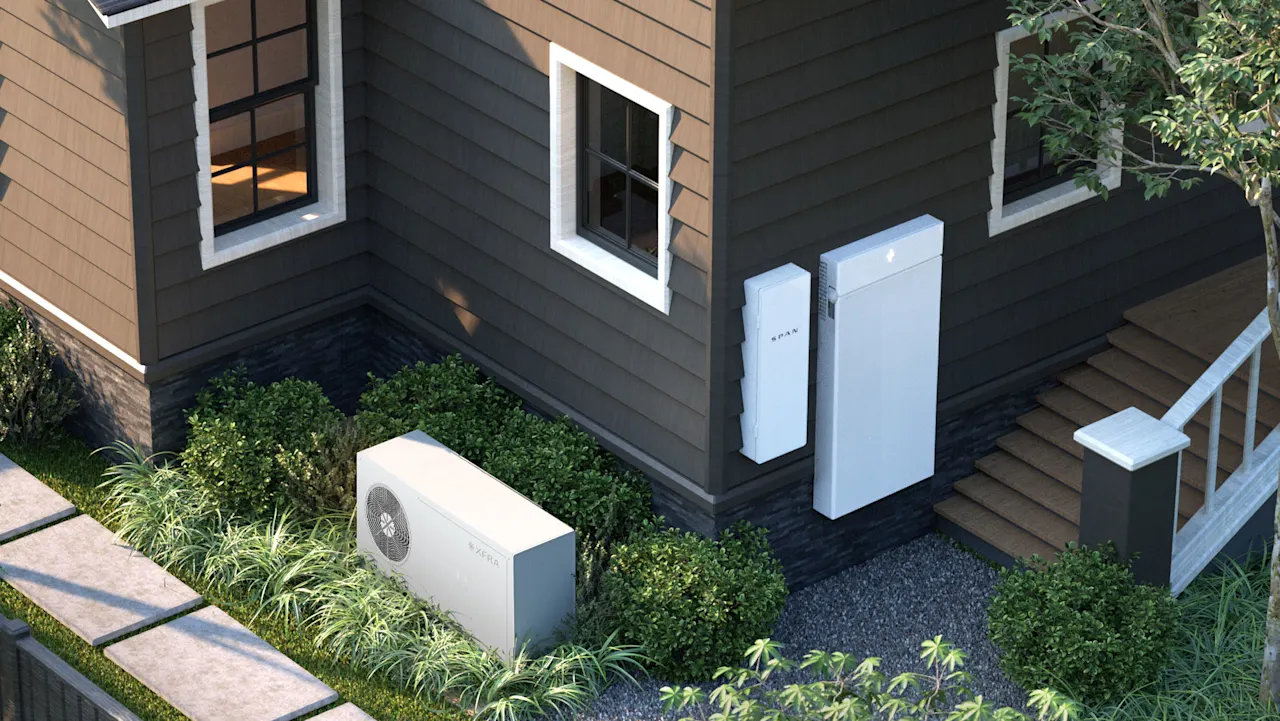
Span proposes placing compact computing nodes—resembling air conditioning units—outside homes. Each node houses 16 Nvidia GPUs, 4 AMD CPUs, 4 terabytes of memory, and a cooling system. These nodes connect to a smart utility box that manages home electricity. The idea is to use the spare electrical capacity typical in U.S. homes, which on average use only 42% of their allotted power. By steering this extra power to the GPUs, households effectively become mini data centers that can run distributed AI workloads.
How does the smart utility box allocate power?
Span's smart utility box, installed at the home's electrical panel, constantly monitors energy usage. It detects when the household is not drawing peak power—which happens most of the time—and redirects that surplus to the attached node. The box ensures home appliances get priority; only the leftover capacity fuels the GPUs. This dynamic allocation aims to avoid overloading the grid or the home's wiring, leveraging existing infrastructure without requiring expensive grid upgrades. Span says the system can safely tap into the reserve capacity that utilities have already allocated to each residence.
What incentives does a homeowner receive for hosting a node?
To make the deal attractive, Span covers a significant portion of the homeowner's electricity and broadband internet bills. In exchange, the homeowner provides space and access for the node. The exact discount varies, but it's designed to offset the inconvenience of hosting the hardware. Since the node consumes power that would otherwise go unused, the household sees lower net energy costs. This model turns a typical utility expense into a potential revenue stream, at least in terms of reduced bills.
Is this technology proven or still experimental?
Despite the buzz, the concept remains largely unproven. Span has built prototypes and conducted internal technical studies on workload performance and architecture. However, as of the latest reports, the company has not installed a single node at an occupied home. A partnership with builder Pulte Homes resulted in only one prototype next to a home. Span claims it will deploy an advanced version—upwards of 100 nodes—in a pilot project 'later this year,' but has not specified where or when. Real-world validation of speed, reliability, and network robustness is still pending.
What advantages does distributed computing offer over centralized data centers?
Putting compute power closer to end users reduces latency—a key benefit for real-time AI applications like chatbots and voice assistants. Data travels shorter distances, improving response times. Additionally, distributed nodes can scale more flexibly by adding units at homes rather than building new massive facilities. Span argues that since homes already have allocated grid capacity, such nodes avoid the main bottleneck facing data centers: insufficient power supply. The network of home nodes could link together for large-scale computing jobs, potentially offering a resilient, decentralized alternative to hyperscaler data centers.
Could home data centers raise electricity costs for the whole neighborhood?
Critics worry that any new power demand—whether from a central data center or a distributed home node—strains the local grid. Transformers and lines run hotter, degrading faster, which could justify higher utility rates for everyone. Span's VP Chris Lander disagrees, claiming their approach uses existing capacity without requiring utility upgrades. However, if many homes in an area host nodes, the cumulative draw could still stress infrastructure. The debate mirrors broader concerns about data center energy consumption: even if each node uses spare capacity, the aggregate may still lead to grid investments that customers ultimately fund.
What are the next steps and potential obstacles ahead?
Span's immediate goal is a pilot of 100 advanced nodes, but regulatory and utility approvals remain hurdles. Homeowners must be willing to host hardware and share internet bandwidth. The business model depends on consistent demand for distributed AI workloads—a market that is still evolving. Technical challenges include ensuring robust networking and failover between nodes. If successful, this model could reshape how we think about data centers. For now, it's an intriguing concept waiting for proof that it works at scale.