Australia’s First Pumped Hydro Project in 40 Years Pushed to 2027, Wind Farm at Risk
Start Date Delayed Again, Wind Component Under Review
SYDNEY — The launch of Australia’s first pumped hydro energy storage (PHES) project in four decades has been postponed once more, with the new start date now set for 2027. Simultaneously, the developer acknowledged it is reconsidering the wind farm element of the project, raising doubts about its original scope.
The delay marks the second time the project—widely viewed as a test case for large-scale energy storage–has had its timeline pushed back. Originally slated to begin operations by 2025, the developer now cites supply chain bottlenecks and regulatory hurdles.
“Each postponement chips away at investor confidence and Australia’s ability to meet its renewable energy targets,” said Dr. Emma Harris, energy policy analyst at the Australian National University. “Pumped hydro is crucial for firming intermittent renewable sources, and this project was supposed to set the pace.”
Background: Why This Project Matters
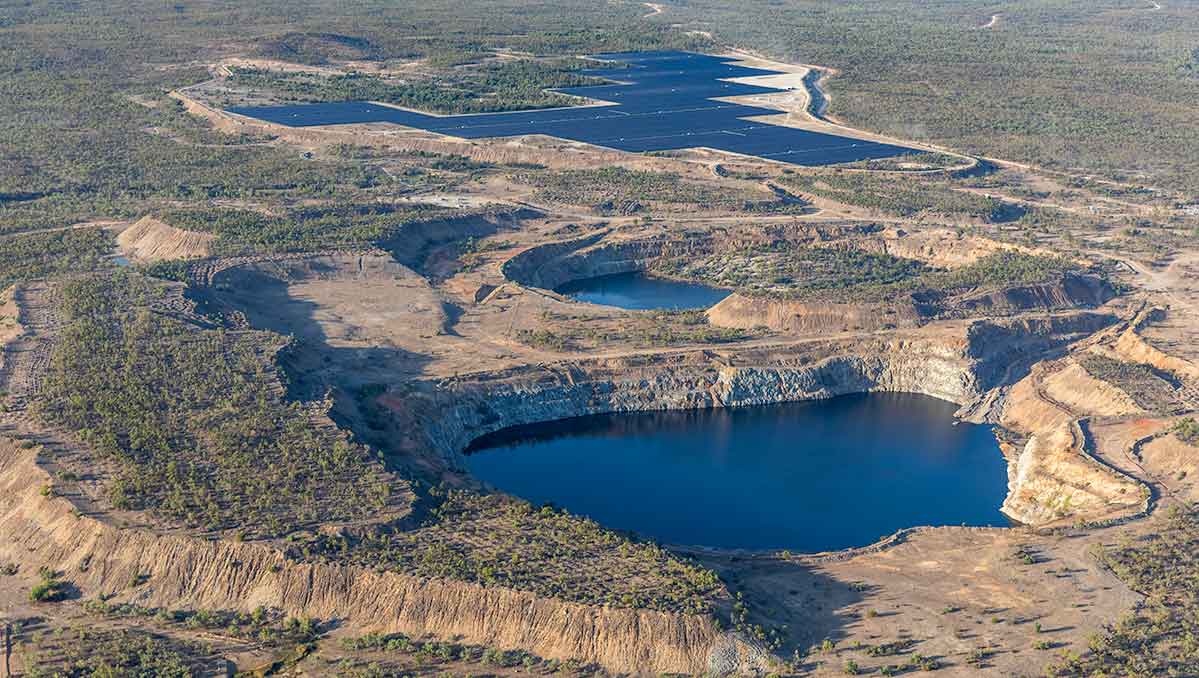
Pumped hydro involves pumping water uphill to a reservoir during low demand, then releasing it to generate electricity when demand peaks. It is considered the most mature and efficient bulk-storage technology available today.
Australia has not built a grid-scale pumped hydro facility since the 1980s. The current project was hailed as a flagship for the nation’s transition away from coal and toward a renewable-dominated grid. Its wind farm component was initially designed to generate renewable power to pump the water.
However, the developer now says that component “may be dumped” if economic conditions do not improve, though no final decision has been made. Critics warn that scaling back the wind farm could reduce the project’s overall emissions-cutting benefit and increase reliance on grid electricity for pumping.
What This Means
The repeated delays and potential downsizing of the wind component cast uncertainty over Australia’s ability to deploy similar projects nationwide. With the government targeting 82% renewable electricity by 2030, every large-scale storage project is critical.
Industry insiders say that without a reliable timeline for pumped hydro, energy investors may shift toward shorter-duration storage options like batteries. While batteries are faster to build, they cannot provide the multi-hour or multi-day storage that the grid will increasingly need.
An energy market consultant, who spoke on condition of anonymity, stated: “If this flagship project falters, it sends a signal that pumped hydro is too complex or costly for Australia. That could delay the entire clean energy transition by several years.”
Nevertheless, the developer remains committed to the project’s core goal of delivering 250 MW of storage. A spokesperson said they are “actively engaging with suppliers and regulators to mitigate further delays.” The final decision on the wind farm is expected within six months.
Observers will be watching closely for signs that the broader pipeline of pumped hydro projects—including Snowy 2.0—can avoid similar setbacks. For now, Australia’s pumped hydro hopes are anchored to a shrinking and postponed venture.