Perseverance Rover's Latest Selfie Reveals Mars' Ancient Cliffside Secrets
Introduction
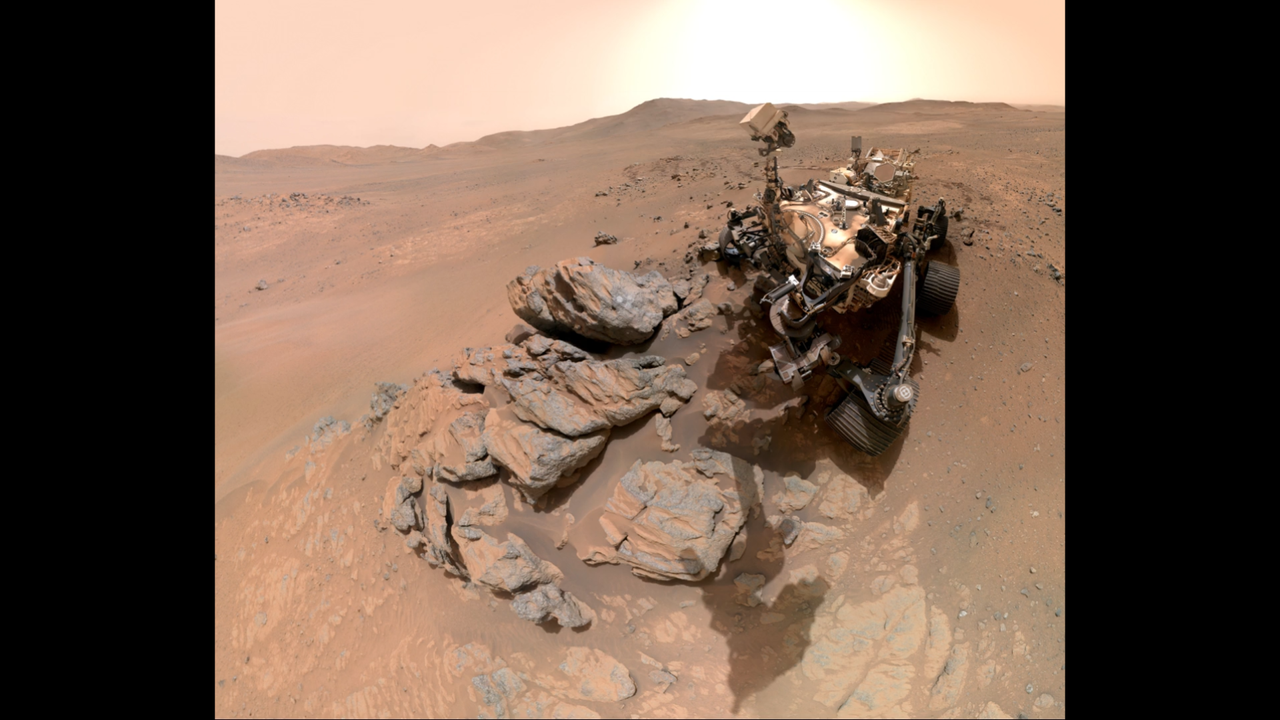
NASA's Perseverance rover has delivered a stunning new selfie that offers a rare glimpse into the Red Planet's deep history. Perched on the rugged western rim of Jezero Crater, the rover captured an image that not only showcases its own gleaming hardware but also reveals fractured cliffs, layered rock formations, and ancient terrain—each feature holding potential clues to Mars' distant past. This selfie is more than a vanity shot; it's a scientific treasure trove that helps researchers piece together the planet's geological and possibly biological history.
The Selfie: A Technical and Scientific Feat
Taking a selfie on Mars is no simple task. Perseverance relies on the WATSON camera (Wide Angle Topographic Sensor for Operations and eNgineering), located at the end of its robotic arm. The rover captures multiple images as the arm moves to different positions, which are then stitched together into a seamless panoramic shot. This latest selfie was composed of 62 individual images, carefully aligned to show the rover against the dramatic backdrop of Jezero's western rim.
Capturing the Scene
The image highlights the rover's deck, antennas, and the robotic arm itself, but the real star is the terraced cliffs in the background. These cliffs, part of the ancient crater rim, are composed of layered sedimentary rocks that likely formed billions of years ago when a lake filled Jezero Crater. The selfie also captures the rugged, uneven terrain that Perseverance has been traversing, offering a sense of the challenging environment.
Jezero Crater's Western Rim: A Window into Ancient Mars
Jezero Crater is a 45-kilometer-wide impact basin that once hosted a river delta and a lake. The western rim, where Perseverance is currently exploring, is particularly interesting because it exposes some of the oldest rocks on Mars. These rocks predate the lake and may contain evidence of early Martian crust and possibly ancient microbial life.
Fractured Cliffs and Rock Layers
The selfie clearly shows fractured cliffs that have been eroded by wind and possibly water over eons. The fractures are not random; they reveal structural stress patterns from ancient impacts and volcanic activity. The layers in the cliffs are like pages in a book, each one recording a different chapter of Mars' environmental history. For example, some layers appear darker, rich in minerals like olivine and carbonate, which could indicate past hydrothermal activity or water alteration.
Clues to Mars' Distant Past
Every detail in the selfie offers a clue. The rounded boulders near the rover's wheels suggest they were transported by ancient water flows. The dusty plains in the distance may cover evidence of ancient shorelines. Perseverance's onboard instruments, such as SHERLOC (Scanning Habitable Environments with Raman & Luminescence for Organics and Chemicals), are analyzing the chemical composition of these rocks to search for organic molecules—the building blocks of life.
Sample Collection and Return
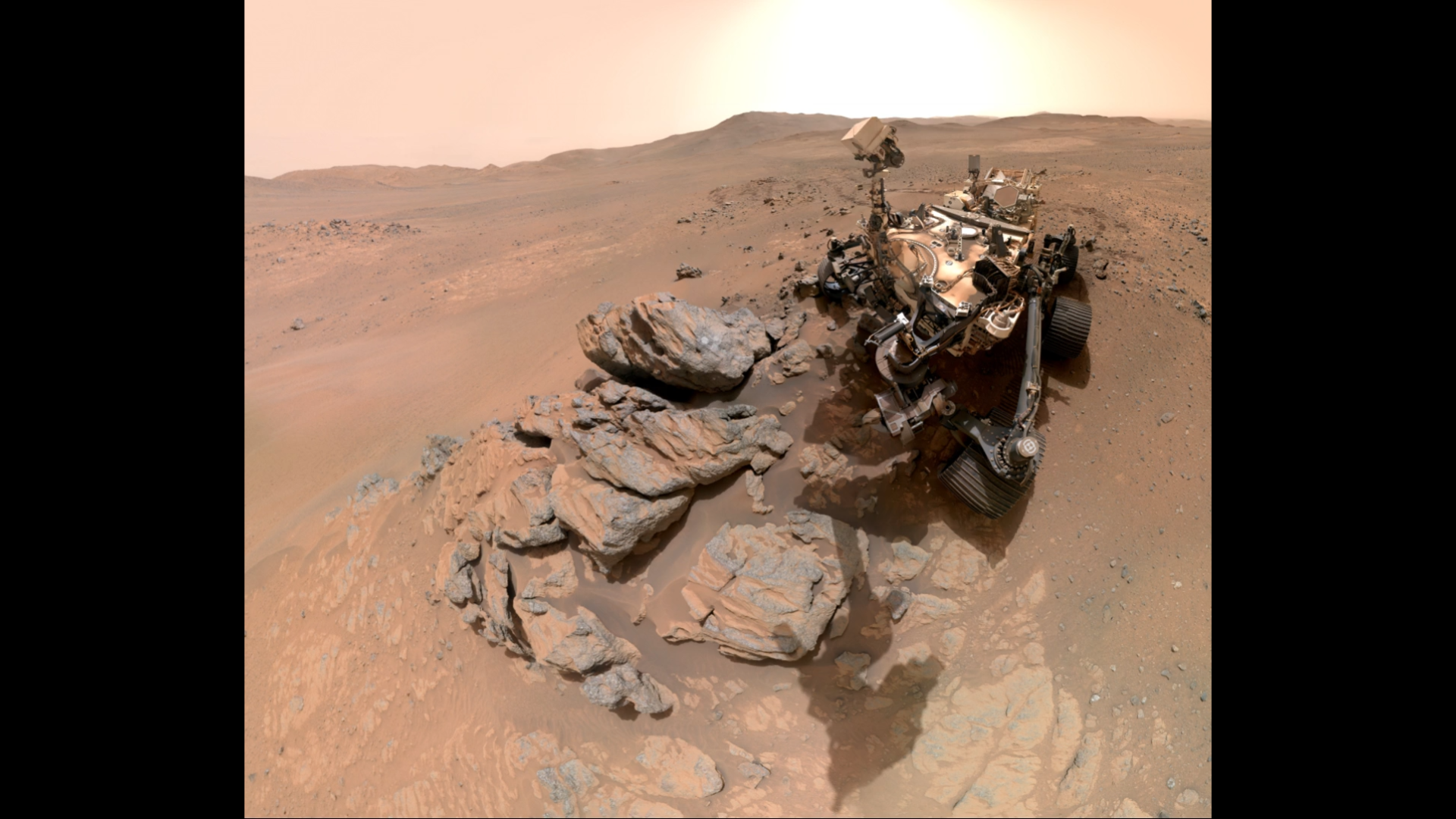
This selfie was taken just after Perseverance completed a series of sample collections from the crater rim. These samples are being stored in titanium tubes that will eventually be picked up by a future mission—the Mars Sample Return campaign—and brought back to Earth for detailed analysis. The selfie thus serves as a visual record of the sampling site, providing context that will be invaluable for scientists when they examine the rocks in terrestrial labs.
Perseverance's Ongoing Mission
As part of the Mars 2020 mission, Perseverance's primary goals are to astrobiologically relevant areas, seek signs of ancient life, and collect samples. The rover also carries the Ingenuity helicopter, which has completed dozens of flights over the Jezero terrain, scouting routes for Perseverance. The selfie was released alongside new data on the composition of the crater rim, confirming that this area contains some of the most ancient rocks ever studied on Mars—potentially over 3.5 billion years old.
Looking Ahead
The rover is now preparing to climb higher on the western rim, aiming to reach the fan-shaped delta that marks the former lake's edge. This ascent will be the most challenging yet, with slopes of up to 20 degrees and loose regolith. But the scientific payoff is immense: the delta deposits could hold well-preserved organic materials, and the selfie from the rim offers a preview of the geological wonders ahead.
Conclusion
In summary, NASA's Perseverance rover has given us more than a pretty picture. This new selfie is a window into Mars' deep past, revealing fractured cliffs and ancient terrain that hold clues to whether the Red Planet ever supported life. As the rover continues its journey, each selfie becomes a piece of a larger puzzle, helping scientists understand not only Mars but also the early history of our own planet and the potential for life beyond Earth.