10 Essential Facts About Sony’s New Digital Game License Policy on PS4 and PS5
If you’ve been following gaming news lately, you might have heard the alarming rumor that PlayStation 4 and PlayStation 5 owners would need to check in online every 30 days to keep playing their digital games. The speculation sparked concerns about always-online restrictions, but Sony has now officially clarified the situation. In this listicle, we break down what’s actually happening with the company’s revised DRM policy—debunking myths, explaining the new check-in requirement, and showing how it ties into refund prevention. Read on for the full story.
1. The Rumor That Started It All
Rumors began circulating that Sony was imposing a mandatory 30-day online check-in for all digital PS4 and PS5 games. This immediately reminded gamers of the controversial always-online DRM from the Xbox One reveal in 2013. Many feared that if they lost internet access for a month, their entire digital library would become unplayable. The story spread rapidly across social media and forums, causing significant backlash. Sony’s eventual response was necessary to calm an understandably worried community.
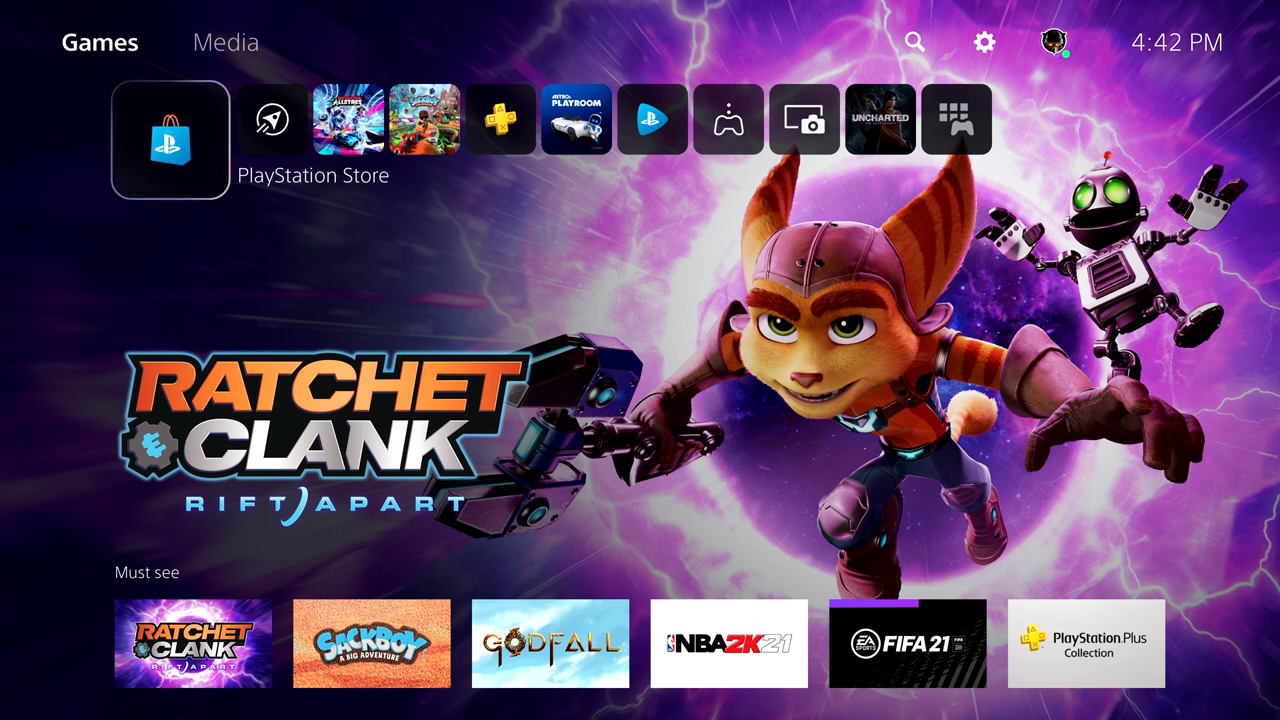
2. Sony’s Official Clarification
In an official statement, Sony confirmed that no 30-day check-in is required. The company explained that the reported policy was a misunderstanding rooted in a new, much simpler license-verification process. The only time a digital game needs to “check in” with Sony’s servers is immediately after you download it. That single verification converts a temporary license into a permanent one, after which no further online checks are needed—ever. This is a stark contrast to the rumored monthly requirement.
3. How the License Check Actually Works
When you purchase a digital game from the PlayStation Store, the license initially exists as a temporary entitlement. This is standard practice to prevent refund fraud, as Sony’s refund policy allows for cancellations within a short window of purchase. The new DRM policy triggers a single online request right after the download begins. If your console is connected to the internet at that moment, the license becomes permanent instantly. If not, the game remains playable but retains its temporary status until the next online connection.
4. Only One Check-In Required
The key takeaway is that the check-in only happens once—not every 30 days. After that one-time verification, the game is fully unlocked and can be played offline indefinitely. This design completely avoids the draconian restrictions found on some other platforms. It also means you can safely buy digital titles knowing that a single internet connection will give you permanent access. No matter how long you stay offline afterward, your library remains intact.
5. Why the Misunderstanding Happened
The confusion likely stemmed from a leaked internal document that described the new check-in process in vague terms. Some outlets misinterpreted the language, assuming the check would recur monthly. Additionally, Sony’s prior stance on refunds for digital games had already been strict—allowing refunds only if the game hadn’t been downloaded. The temporary license mechanism was designed to close a loophole where players could download a game, request a refund, and continue playing offline. The 30-day figure may have been a placeholder assumption, not a real requirement.
6. Impact on Refund Policies
Sony’s refund policy now directly ties into this license system. Previously, you could download a game and then immediately ask for a refund, retaining the full game offline. The new DRM combats this scam by making the license permanent only after the initial online check. If you refund before the check, the license reverts and the game is revoked. This protects developers and publishers from revenue loss. However, legitimate users are unaffected—the one-time check is quick and seamless. For more details, see item 4.
7. What This Means for Gamers
For the average player, the change is barely noticeable. You connect your console to the internet to download a game, and that’s it. No pop-ups, no reminders, no risk of losing access later. The only scenario that could cause inconvenience is if you purchase a game while completely offline and never connect again. In that case, the game remains playable but with a temporary license—still fully functional until you go online. This is a significant improvement over the rumored monthly system and aligns with what most gamers expect from digital ownership.
8. Comparison with Other Platforms
While Sony’s policy is now clearer, it’s worth comparing with competitors. Xbox uses a similar once-off online check for game licenses on Xbox One and Series X/S. Nintendo’s Switch has no such requirement for digital games, but their refund policy is extremely limited. Sony’s approach is moderate—it prevents refund abuse without imposing ongoing restrictions. The key difference is transparency: Sony’s initial ambiguity caused fear, but the actual policy is reasonable and fair. Gamers should feel confident buying digital on PlayStation without worrying about future online check-ins.
9. Future of DRM on PlayStation
This policy shift suggests that Sony is carefully balancing user experience with anti-fraud measures. DRM is often a dirty word in gaming, but a one-time check is a compromise that most players can accept. The company might expand this system to future PlayStation consoles or services like PlayStation Plus. As digital sales grow, similar verification methods could become standard industry-wide. For now, Sony has proven that it listens to community feedback—the clarification came quickly after the rumor spread, and the actual implementation is far less intrusive than feared.
10. Steps to Ensure Your Games Stay Playable
To avoid any license issues, follow these simple steps:
- Always connect your console to the internet when installing a new digital game for the first time.
- Check your internet connection before initiating a download to ensure the license verification succeeds.
- If you play offline frequently, make sure to perform the initial check while online; afterward, offline play is guaranteed.
- Keep your console updated to the latest firmware to avoid any policy inconsistencies.
In conclusion, the rumored 30-day online check-in for PS4 and PS5 digital games has been debunked. Sony’s actual policy is a single, one-time license verification after download—designed to combat refund scams without imposing ongoing connectivity demands. This is a positive step that protects both developers and legitimate buyers. So go ahead, download those games, and stay offline as long as you like. Your digital collection is safe.