How to Launch a Successful Indie Game on Steam in 2026: Lessons from Far Far West and Last Flag
Introduction
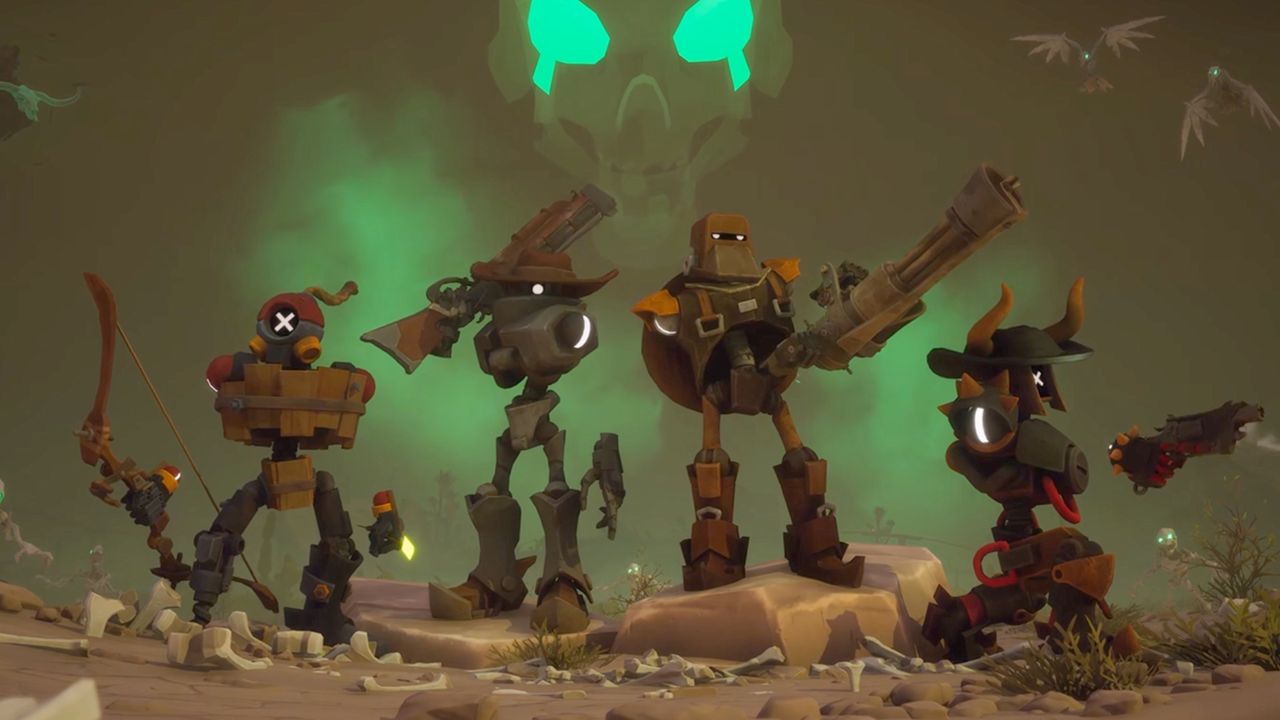
The gaming industry is notoriously unpredictable. In 2026, even a well-funded, long-in-development project from a major publisher can flop, while a scrappy indie title built by a tiny team skyrockets to the top of the charts. This week’s Steam sales data proves it: Far Far West, a co-op shooter from an eight-person studio, is the third best-selling game by revenue, beating behemoths like Heroes of Might and Magic: Olden Era and Counter-Strike 2. Meanwhile, Last Flag, a polished 5v5 shooter with MOBA elements, peaked at just 558 concurrent players and its developer has announced they’re shifting focus to community-run servers rather than continuous updates.
If you’re an indie developer looking to launch on Steam, these two contrasting stories offer invaluable lessons. Below, we break down the exact steps you can take to maximize your chances of success—and what to do if things don’t go as planned.
What You Need
- A clear game concept that fits a specific niche (e.g., cooperative shooter, tactical PvP).
- A small, agile development team (ideally under 10 people) that can iterate quickly.
- Willingness to launch in Early Access with a solid core loop, not a full feature set.
- Community engagement tools (Discord, Steam forums, feedback forms).
- Backup plan for low player counts: modding support, persistent lobbies, or a pivot to community-driven content.
Step-by-Step Guide
Step 1: Validate Your Concept with a Tight Scope
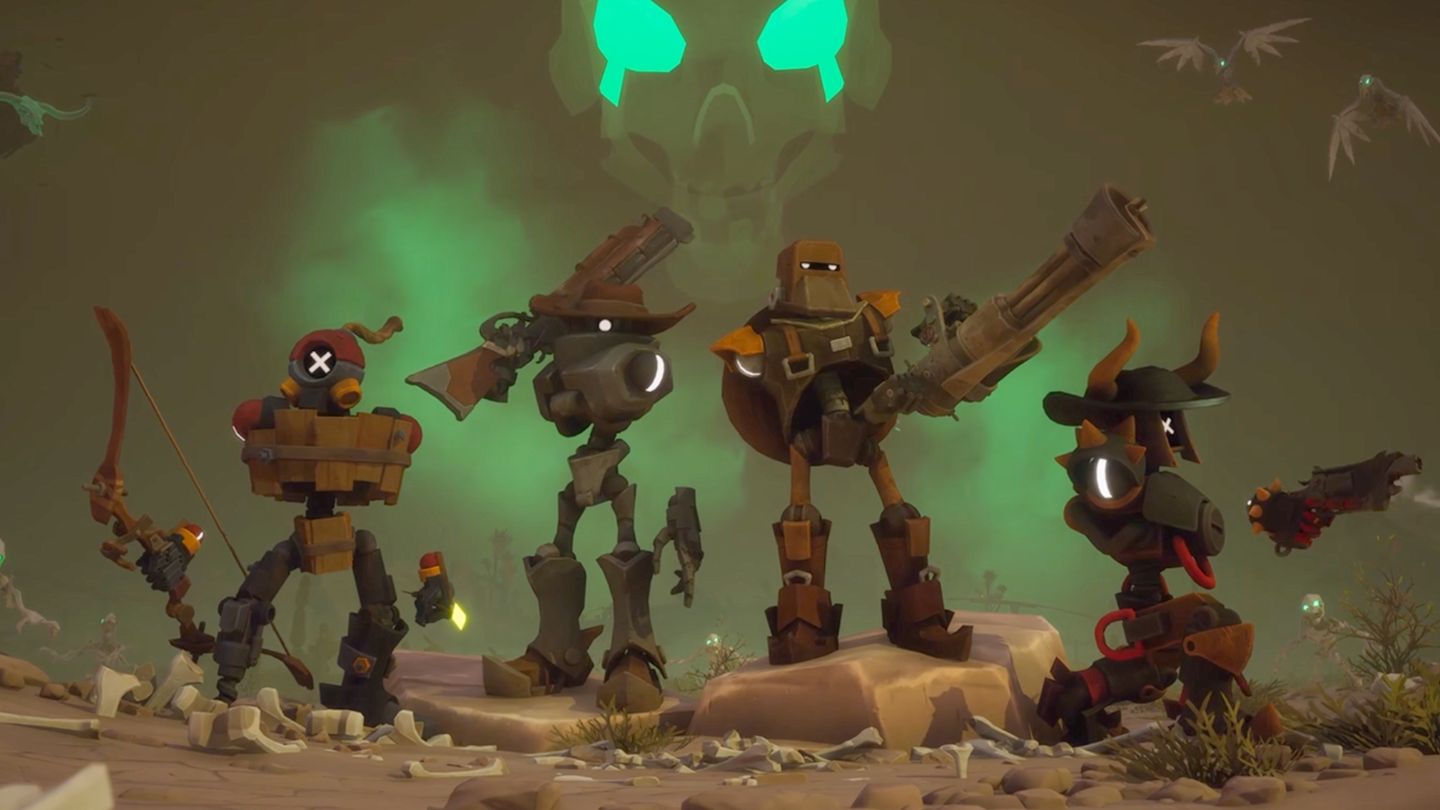
Far Far West didn’t try to reinvent the wheel. It took proven mechanics from Left 4 Dead and Vermintide, added a Wild West skin, and crucially included a singleplayer mode. This gave it a safety net—players who dislike multiplayer could still enjoy the game. The team (Evil Raptor, just eight people) focused on a small, well-executed idea rather than a bloated feature set.
- Identify a beloved genre and add a unique twist (co-op + spaghetti western).
- Keep your feature list minimal—you only need one solid core loop.
- Test the concept with a prototype before committing months to polish.
Step 2: Target a Niche, Not Everyone
Last Flag suffered from “art style that screams we don’t have an art style.” Its Pixar-meets-Fortnite look tried to appeal to everyone but ended up feeling generic. In contrast, Far Far West has a distinct, if low-budget, aesthetic that clearly communicates its theme.
- Design your art style around your target audience—don’t chase trends that might be outdated in three years.
- Build for a community that already loves your genre (e.g., co-op shooter fans) rather than the mass market.
- Avoid feature creep: adding MOBA elements to a third-person shooter (like Last Flag) dilutes the core experience.
Step 3: Launch Early Access with a Solid, Fun Core Loop
Far Far West launched in Early Access and immediately attracted 47,300 concurrent players. The key? The core gameplay was fun and functional from day one. Players didn’t need full content—they needed a reason to keep playing. The yee-haw factor helped, but the underlying quality mattered more.
- Polish one core activity (e.g., one level, one game mode) until it’s addictive.
- Price your game competitively—Far Far West didn’t scream “big hit” but its price-to-fun ratio clicked.
- Use Early Access as a marketing tool: each update generates press and word-of-mouth.
Step 4: Embrace Unpredictability—Budget ≠ Success
The success of Far Far West and the failure of Last Flag prove that budget, team size, or development time don’t guarantee success. The Peak phenomenon (a game made in four weeks) shows that fast, passion-driven projects often win. Accept that the zeitgeist is impossible to predict, so focus on making something you love.
- Keep development costs low to avoid financial pressure if players don’t show up.
- Leverage small team advantages: faster iteration, closer community ties.
- Don’t chase AAA polish—players value unique experiences over graphical fidelity.
Step 5: Plan for Failure—But Don’t Kill Your Game
Last Flag’s developer Night Street Games made a smart move: instead of shutting down servers, they promised to hand over tools to the community—persistent lobbies, custom rules inspired by GoldenEye, Team Fortress 2, and Super Smash Bros. This keeps the game alive even without updates. Every indie dev should have a similar backup plan.
- Build modding support or private server options from the start.
- Set a low threshold for “success”—if you can sustain a small but passionate community, you’ve won.
- Be transparent: tell players early if updates will slow down, and give them agency to shape the game’s future.
Tips for Long-Term Success
Launching is just the first step. Here are actionable tips from both Far Far West and Last Flag’s experiences:
- Focus on replayability. Last Flag’s planned shift toward custom game modes is a lesson: if your player count is low, let players create their own fun.
- Nurture your community. Respond to feedback, host developer streams, and create a Discord where players feel heard.
- Don’t over-invest in marketing hype. Organic word-of-mouth from a small but dedicated player base is more valuable than a flashy trailer that attracts only casual interest.
- Accept that some games are seasonal. Far Far West might not maintain 47k players forever, but its early momentum built a foundation for future updates.
- Have an exit strategy. If active development ends, give the game a dignified afterlife—open-source the code, release modding tools, or at least keep servers online.
In an industry where hits like Phasmophobia and Peak can emerge from nowhere, and polished titles like Last Flag fade, the only reliable strategy is to build a game you love, keep it lean, and hand the keys to the community when the time comes. Follow these steps, and whether you hit 50,000 concurrent players or a cozy 500, you’ll have created something that matters.